Facial Paralysis Treatment Chicago, IL

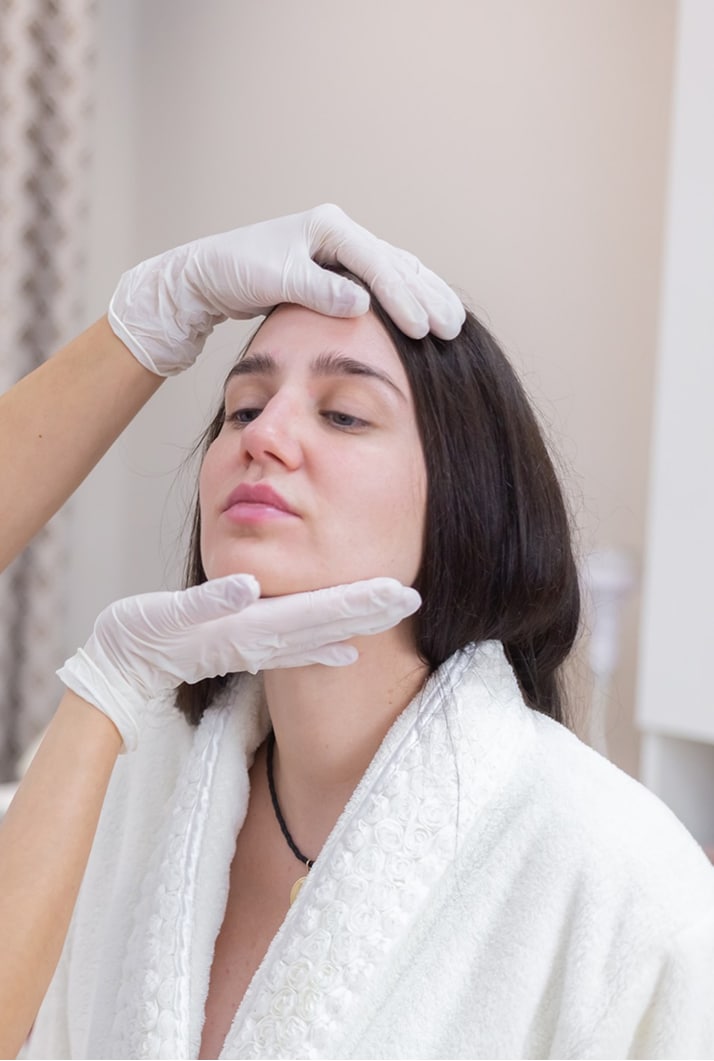
Facial paralysis refers to the partial or complete loss of movement in the facial muscles due to nerve impairment. The facial nerve controls expression, eyelid function, lip movement, and other key actions such as blinking, smiling, and speaking. When this nerve is weakened or damaged, the affected side of the face may appear drooped, lack expression, or have difficulty performing regular movements.

Facial paralysis treatment focuses on restoring muscle movement, improving facial symmetry, and protecting eye and oral function when the facial nerve is weakened or damaged. The treatment plan depends on the cause, severity, and duration of the paralysis, and may involve a combination of medical therapy, physical rehabilitation, and surgical intervention. The goal of treatment is to help patients regain natural expression, improve facial function, and protect overall facial health.

Symptoms of Facial Paralysis

Facial paralysis affects muscle control in all or part of the face, making it difficult to perform regular movements and expressions. Symptoms may appear suddenly or gradually, and can range from mild weakness to complete loss of motion. These changes impact expression, eye function, oral control, and speech clarity.

Common signs and symptoms include:

  • Drooping on one side of the face
  • Difficulty closing the eye or blinking
  • Eye dryness or excessive tearing
  • Reduced ability to smile, frown, or raise eyebrows
  • Weakness or heaviness on the affected side
  • Sensitivity to sound on the affected side
  • Dry mouth or excessive drooling
  • Trouble chewing or keeping food and liquids in the mouth
  • Biting the cheek or lip unintentionally
  • Difficulty breathing through the nose on the affected side
  • Changes in speech clarity
  • Reduced taste sensation
  • Facial twitching or spasms as nerves recover

Treatment Options for Facial Paralysis

Treatment for facial paralysis is tailored to the cause, severity, and duration of nerve dysfunction. The primary goals are to restore facial movement, maintain muscle tone, protect the eye, and improve symmetry and comfort. Management may involve both non-surgical and surgical approaches tailored to each patient’s specific needs.

Non-surgical options include:

  • Medications to reduce inflammation or address infections contributing to nerve impairment
  • Facial physiotherapy to enhance muscle control, improve coordination, and prevent stiffness
  • Botulinum toxin injections to reduce unwanted tightness or balance muscle activity on both sides of the face
  • Eye protection measures, such as lubricating drops, moisture shields, or eyelid taping, to support corneal health

Surgical options may include:

  • Nerve repair or grafting when the facial nerve is injured
  • Nerve transfers to re-establish motion by connecting a functioning nerve to the facial muscles
  • Muscle transfer procedures for long-standing paralysis, where the original muscles can no longer function
  • Eyelid procedures to support closure and protect the eye surface
  • Static facial suspension techniques to improve symmetry and support drooping facial tissues

Ideal Candidates for Facial Paralysis Treatment

You may be a suitable candidate if you have experience:

  • Facial weakness or movement loss
  • Difficulty closing one eye
  • Changes in speech or smile symmetry
  • Trouble retaining food or liquid while eating
  • Recent or long-standing nerve injury affecting facial motion

Both new-onset and chronic cases can benefit from evaluation. Custom treatment pathways are designed based on nerve function testing, imaging, and clinical examination.

Why choose Dr. Sidle for your Facial Paralysis Treatment

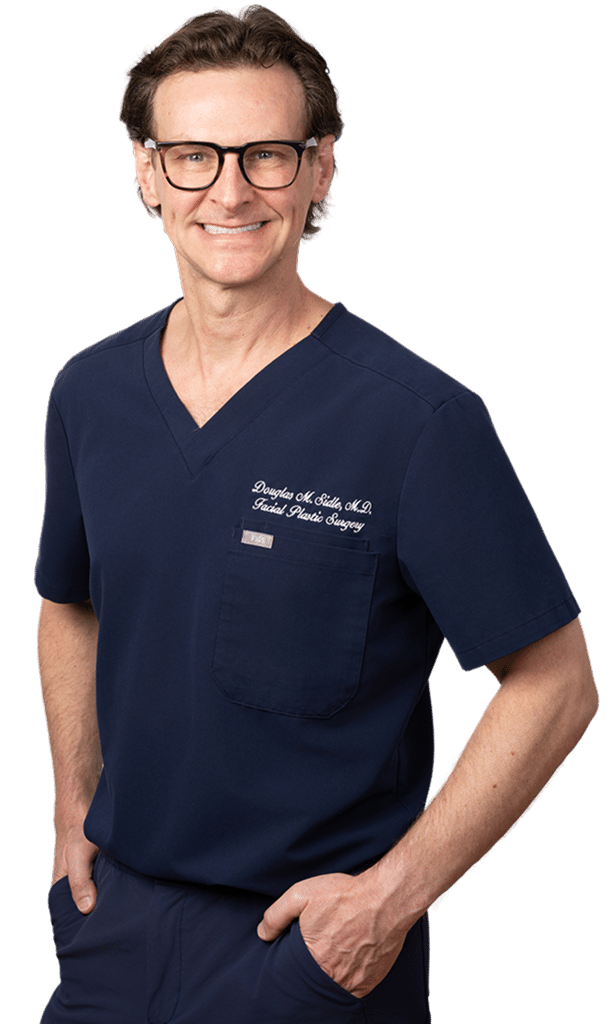
Drs. Douglas Sidle and Alan Micco have collaborated to form the Northwestern Center for Facial Paralysis and Reanimation. Together, they offer patients a “team approach” to facial reanimation and rehabilitation. There are numerous methods to improve these conditions, and Dr. Sidle can discuss the various options available for eye and facial rehabilitation during your consultation visit. We can provide you with further information detailing the different treatment methods.

Experience Matters. As a board-certified Facial Plastic Surgeon at Northwestern with expertise in the face and neck, Dr. Sidle can provide you with an individualized plan to achieve your goals of a more youthful face. Contact our office to schedule a one-on-one consultation.

Post-Operative Instructions

All post-operative instructions can be found on the Patient Resources page.

Our Results

Click Here to access our Before and After gallery of procedures.

Chicago Facial Paralysis Treatment | Chicago Facial Paralysis Rehabilitation | Chicago Facial Paralysis Reconstruction