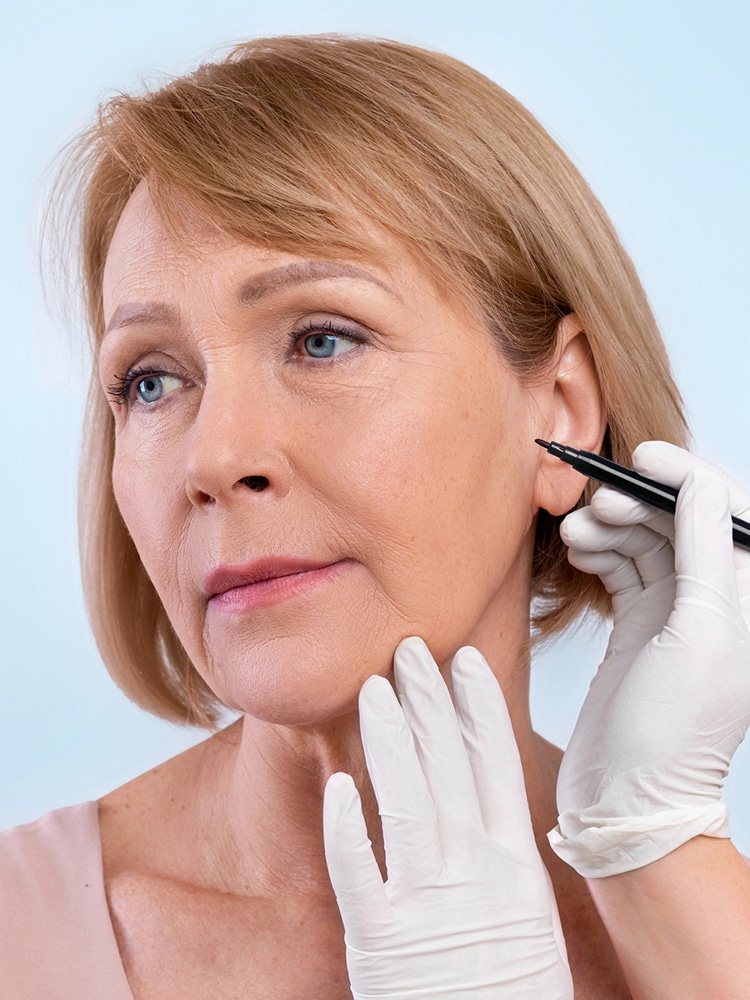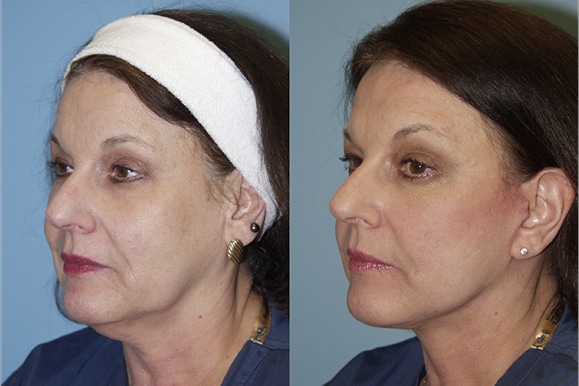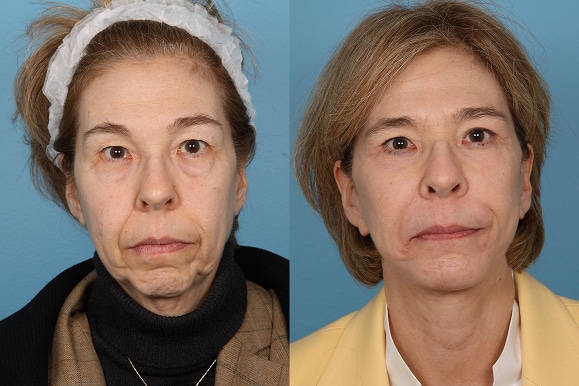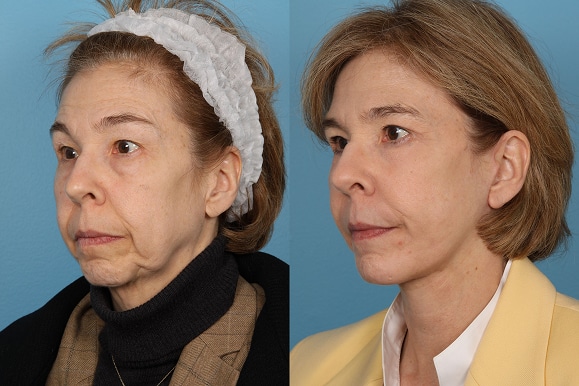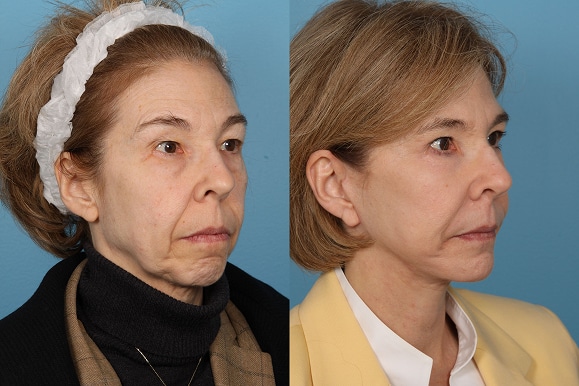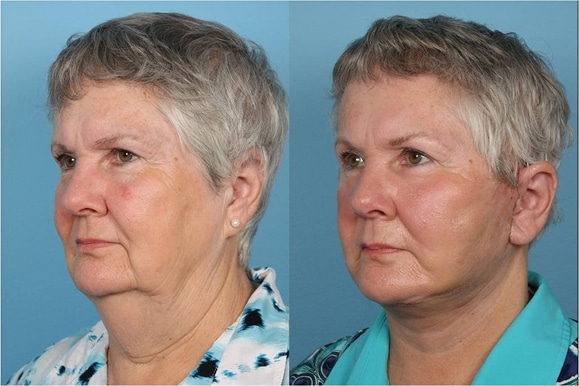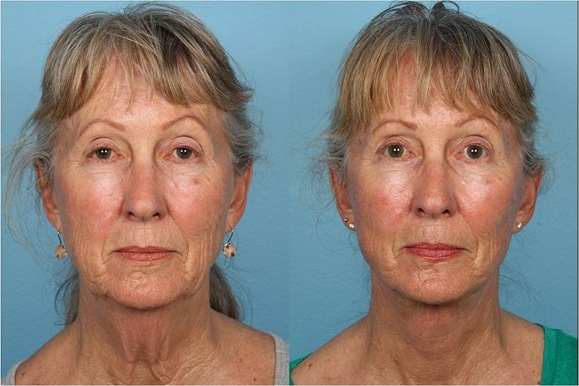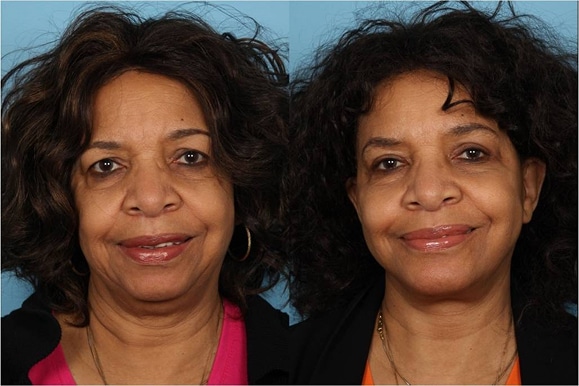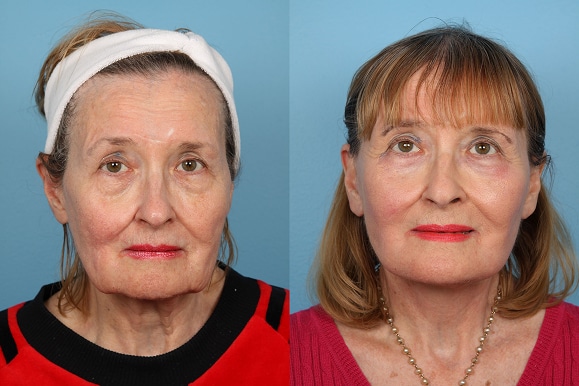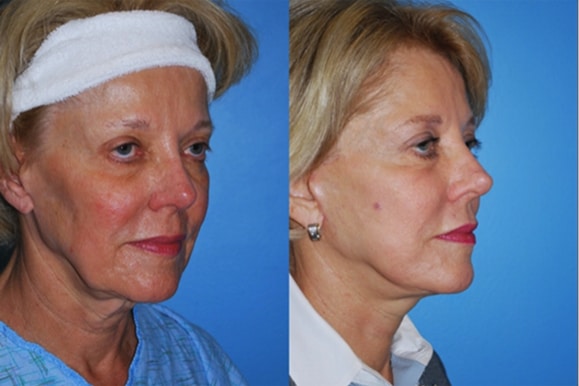
A facelift, medically referred to as a rhytidectomy, is a procedure that tightens the face to give the patient a younger appearance. Time, pollution, stress, and ingestible factors like smoking and drinking take a toll on the skin. Issues corrected during a facelift include:
Understanding the terminology surrounding facelift surgery can help you make a more informed decision about your treatment options. Here are some of the most common terms patients encounter:
“Facelift”: Often, we use the term “facelift” to refer to a combined “facelift & necklift” surgery. This is a facial rejuvenation surgery that helps restore a youthful appearance to your face and your neck.
“Mini-facelift”: This term refers to a slightly less aggressive procedure that offers very similar improvement in the face but slightly less dramatic improvement in the neck.
“Liquid facelift”: This is a non-surgical option that uses cosmetic injectables to provide a more youthful appearance. This may be a good option for patients who are interested in some rejuvenation but aren’t quite ready for surgery.
Facelift & necklift surgery will provide you with a natural but tighter, firmer, and fresher appearance. The goal of surgery is to leave you looking like a more youthful version of yourself without appearing “overdone” or artificial. A combined facelift & necklift smooths loose skin on the face and neck, tightens underlying tissue, and removes excess fat via liposuction and direct excision when needed. The sagging tissues under the skin are then tightened, and the skin is re-draped to provide a smoother, more youthful contour to your face and neck.
The ideal candidate is anyone looking to improve their general appearance dramatically. Typical patients for facelift and neck lift surgery include:
In the right patient, a “mini-facelift” can provide a similar result to a full facelift & necklift surgery. A “mini-facelift” achieves the same benefits in the face, but the changes in the neck are less dramatic. If you have minimal excess skin in the neck, this may be a good option for you. When you come in for a consultation, Dr. Sidle will examine you and discuss which option would likely work best for you.


The cost of a facelift depends on the specific procedure being performed and your individualized treatment plan. There are a few things that can affect the cost of a facelift. The most common factors are the surgeon’s experience and expertise, the geographical location, and whether you need any additional procedures along with your facelift.



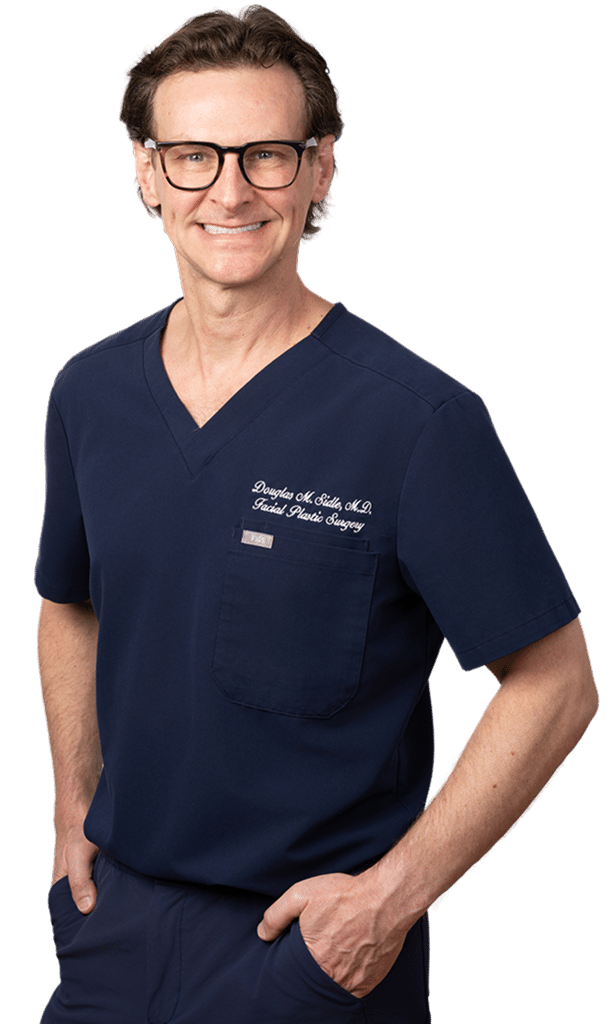
Dr. Sidle of Northwestern Facial Plastic Surgery is a double-boarded cosmetic surgeon in the Chicago area. He is board-certified by the American Board of Facial Plastic and Reconstructive Surgery and the American Board of Otolaryngology-Head and Neck Surgery. He is additionally a member of the American Academy of Facial Plastic and Reconstructive Surgery and the International Society of Hair Restoration Surgery.
While Dr. Sidle’s credentials are impressive, his most considerable accomplishment is his involvement with each patient throughout the surgical process. His vast experience puts patients at ease while providing a personal and attentive disposition. If you are in the Chicago area or may consider traveling for a cosmetic procedure, contact Dr. Sidle’s office for a consultation.
If you have made the exciting choice to go forward with a facelift or neck lift, there are some precautions to consider. These tips will help you plan your before and aftercare.
Before your surgery, you will need to purchase:
Once you complete a thorough consultation with your doctor, it is time to schedule a procedure. Wait times generally span eight to ten weeks to ensure ample time for preparation. A well-known doctor may have patients wait months before an allotted surgery time becomes available. In that waiting period, you should prepare by:
With the surgery date growing near, you’ll want to ensure that the items listed above are in order. In addition to quitting smoking, securing an assistant, and addressing medical concerns, you should:
The evening before surgery, it is crucial to plan accordingly. Here are a few tips to ensure that you are ready for the big day:
On the morning of the surgery, you will likely be anxious and excited. However, in your flurry of emotions, it is essential to remember these critical steps:
Remember to relax and trust that you are in good hands. The surgery will last two to four hours, followed by a few hours of recovery before going home. Gentle breathing exercises are helpful in calming nerves.
Additional Read: The Realities of Recovering from a Mini Facelift
Yes, several procedures can be combined with a facelift to enhance overall facial harmony and address multiple concerns at once. For patients with a smaller or less defined chin, a chin augmentation is recommended to improve facial balance and provide stronger structural support for lifted tissues. Dr. Sidle thoughtfully plans combination procedures to ensure each treatment complements the others and supports cohesive results.
Patients who want improvement in the eye area may also benefit from pairing a facelift with treatments such as a brow lift or upper and lower eyelid surgery, which can help refresh the appearance of tired-looking eyes. In addition, skin treatments such as chemical peels or laser resurfacing are recommended to improve texture, tone, and fine lines that surgery alone does not address.
Face and neck lift results have long-term results and typically last an average of ten years. Different factors affect the longevity of your results, so some might experience longer-lasting results with care. Additionally, a more involved surgery will result in longer-lasting results.
To maintain results after a facelift or neck lift procedure, it is helpful to:
1. Treat the face with extreme care. Do not apply makeup or skincare with rigorous movement.
2. Wear sunscreen every day, as UV rays slowly deteriorate the skin. Never put sunscreen on a fresh or unhealed incision. Wear a wide-brimmed hat for additional protection.
3. Remove makeup every night and strip the face of impurities.
4. Follow a gentle and effective skincare routine. Your doctor may recommend a post-operative skincare regime for you to follow.
A facelift and neck lift will transform your life for the better. Recovery is a great time to incorporate new skincare habits and treat your face and neck better. Putting in the time and care ensures that your results will last to their maximum ability.
If you have already identified as a candidate for a facelift, some additional considerations include:
1. Your medical history
2. Monetary ability
3. Insurance (most insurance policies won’t cover a cosmetic procedure)
4. Time for recovery and freeing yourself of responsibilities for that period
If you find that you can work within these considerations, a facelift procedure might be suitable for you. A doctor will review your options and answer any questions you may have during the consultation. Most importantly, if you feel that either procedure is right for you, it probably is.
At his downtown Chicago office in Northwestern Memorial Hospital, Dr. Sidle offers many non-surgical options for the treatment of facial lines and wrinkles. Dr. Sidle offers patients a “liquid facelift”, which may be a good non-surgical option for patients who are interested in facial rejuvenation but may not be ready for surgery yet.
A “liquid facelift” involves utilizing cosmetic dermal fillers to restore volume to areas of the face where volume loss has occurred due to aging. During the aging process, fat and collagen are slowly lost, which causes facial tissues to lose volume and appear to descend or “sag”. In particular, patients will notice a loss of volume in their cheeks, lower lids, and jawline, as well as more prominent folds and depressions around the mouth.
To address these areas, dermal fillers (cosmetic injectables) are strategically injected into facial lines, wrinkles, and folds to restore volume and fullness to the skin, providing a more toned, youthful appearance. Cosmetic fillers can replace the lost volume and stimulate new collagen production. Each cosmetic filler has its own unique properties and characteristics, as well as optimal performance profile and longevity. Botulinum toxins are often a useful adjunct to dermal fillers during non-surgical facial rejuvenation. For more information, please see the Cosmetic Injectables page.
A non-surgical facelift is a cosmetic procedure that uses injections or other methods to improve the appearance of the face without surgery.
Some of the most common methods in a non-surgical facelift include Botox, fillers, and laser skin resurfacing. These treatments can help to reduce wrinkles, fine lines, and other signs of aging on the face. They can also help to improve the overall appearance of the skin.
A mini facelift is a surgical procedure that can improve the appearance of the lower face and neck.
The surgery is typically performed under general anesthesia and involves making small incisions near the hairline and pulling the skin tight. The surgeon will then remove any excess fat or tissue and may also tighten the underlying muscles. Finally, the incisions are closed with stitches.
A mini facelift usually takes about two hours to complete, and patients can usually return home later that day. Recovery time is typically shorter than with a complete facelift, but the results are less dramatic.
The best facelift procedure is the one that is tailored to the specific needs of the individual patient. For some people, a traditional facelift will be the best option, while others may be better candidates for a minimally invasive procedure such as laser resurfacing or a chemical peel.
Mini facelifts are worth it for people with mild signs of aging who want a more youthful appearance without the downtime and expense of a complete facelift.
Mini facelifts are less invasive and require less recovery time than full facelifts, so they’re a good option for people who aren’t ready for more extensive surgery. They can also be a good choice for people who only want to address specific areas of the face, such as the lower eyelids or the neck.
It depends on the individual, but a facelift is a relatively minor surgical procedure. Most people report minimal pain and discomfort after the surgery.
Some bruising and swelling may occur, but this typically resolves within a week or two. It’s important to follow your surgeon’s post-operative instructions closely to ensure a quick and smooth recovery.
Usually, women start to age during their 40s, which could make them good candidates for a facelift. But men may not begin to visibly age until they’re in their 50s or 60s, so they might want to wait a little longer before getting one if it’s going to be their first time having surgery of this kind.
A facelift can help you look younger by improving the appearance of your skin and by restoring some of the firmness and volume lost with age. However, it’s important to remember that a facelift is only a cosmetic procedure and will not address all signs of aging.
If you want a dramatic change, consider other procedures such as a forehead lift, eyelid surgery, or neck lift.
Although surgery is one option for achieving a youthful appearance, there are other ways to achieve similar results. One popular method is using laser treatments. Laser treatments can help to tighten the skin and reduce the appearance of wrinkles.
Another popular method is using injectables such as Botox or collagen injections. These injections help to reduce the appearance of wrinkles and give the skin a more young appearance.
A facelift can reduce the appearance of wrinkles, drooping skin, and age spots on the face and neck. The surgery is usually performed with general anesthesia so you will be asleep.
The surgeon will make cuts around your ears, then separate the skin from the underlying tissues. He will remove any excess fat and tighten the muscles before stitching the skin back in place. Some surgeons also use a laser to tighten skin or dissolve excess fat.
The surgery usually lasts 2-3 hours, and you can go home later that day. You will need to take it easy for a few weeks afterward, but most people can return to their normal routine within a few weeks.
A non-invasive facelift is a facial rejuvenation treatment that does not require surgery. Several types of non-invasive facelifts include laser skin resurfacing, radiofrequency skin tightening, and ultrasound skin tightening.
Non-invasive facelifts are popular because they are safe and effective and do not require downtime. However, they may not be as effective as surgical facelifts and can be expensive.
All post-operative instructions can be found on the Patient Resources page.